Healthy Mobility
Strategy 6:
Ensuring a Safe and Inclusive Environment for Healthy and Vibrant Travel
To promote the deep integration of commuting with healthy living by providing more personalized travel options and systematically building a people-centric green commuting network.
Recommendation 22 –
Using Electric Mobility Devices Safely
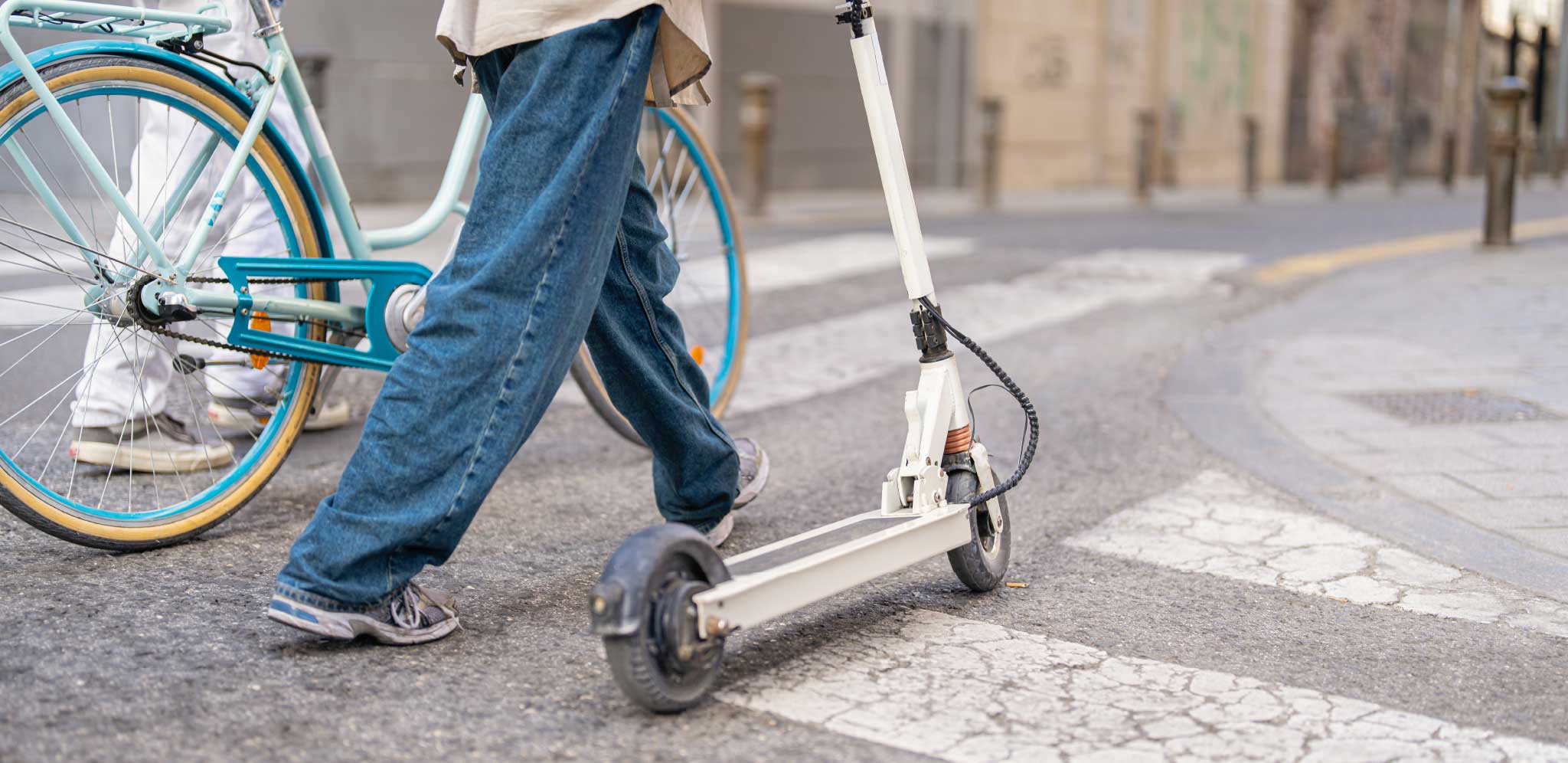
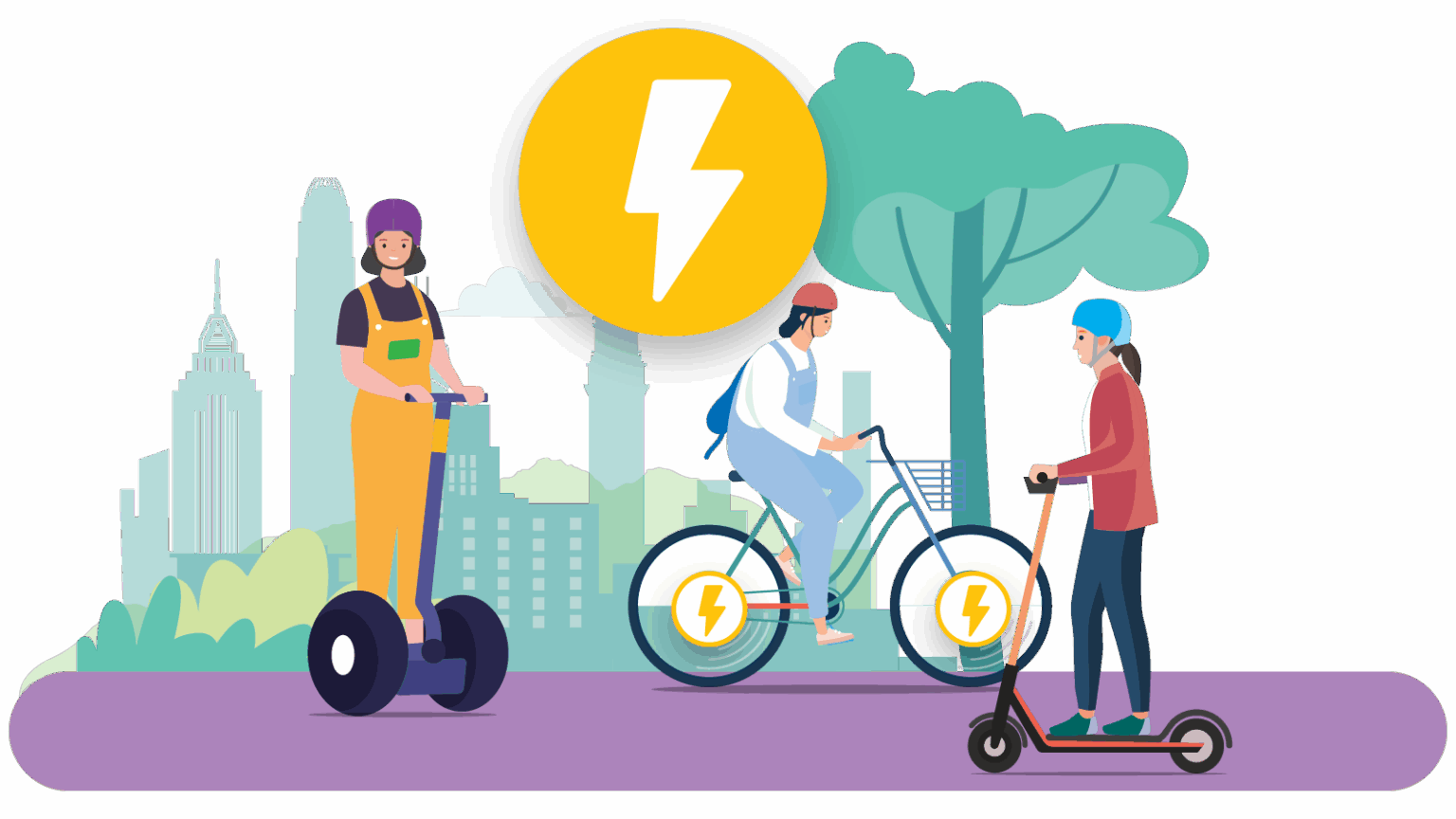
Electric mobility devices (EMDs) have become an emerging mode of personal transport in various cities worldwide. The Government has always embraced new technologies and innovative inventions in green mobility, expecting that under appropriate regulations, the use of EMDs can be as commonplace as cycling. Coupled with the development of cycle tracks in New Development Areas (NDAs) and new towns, EMDs will become another option for personal green low-carbon travel.
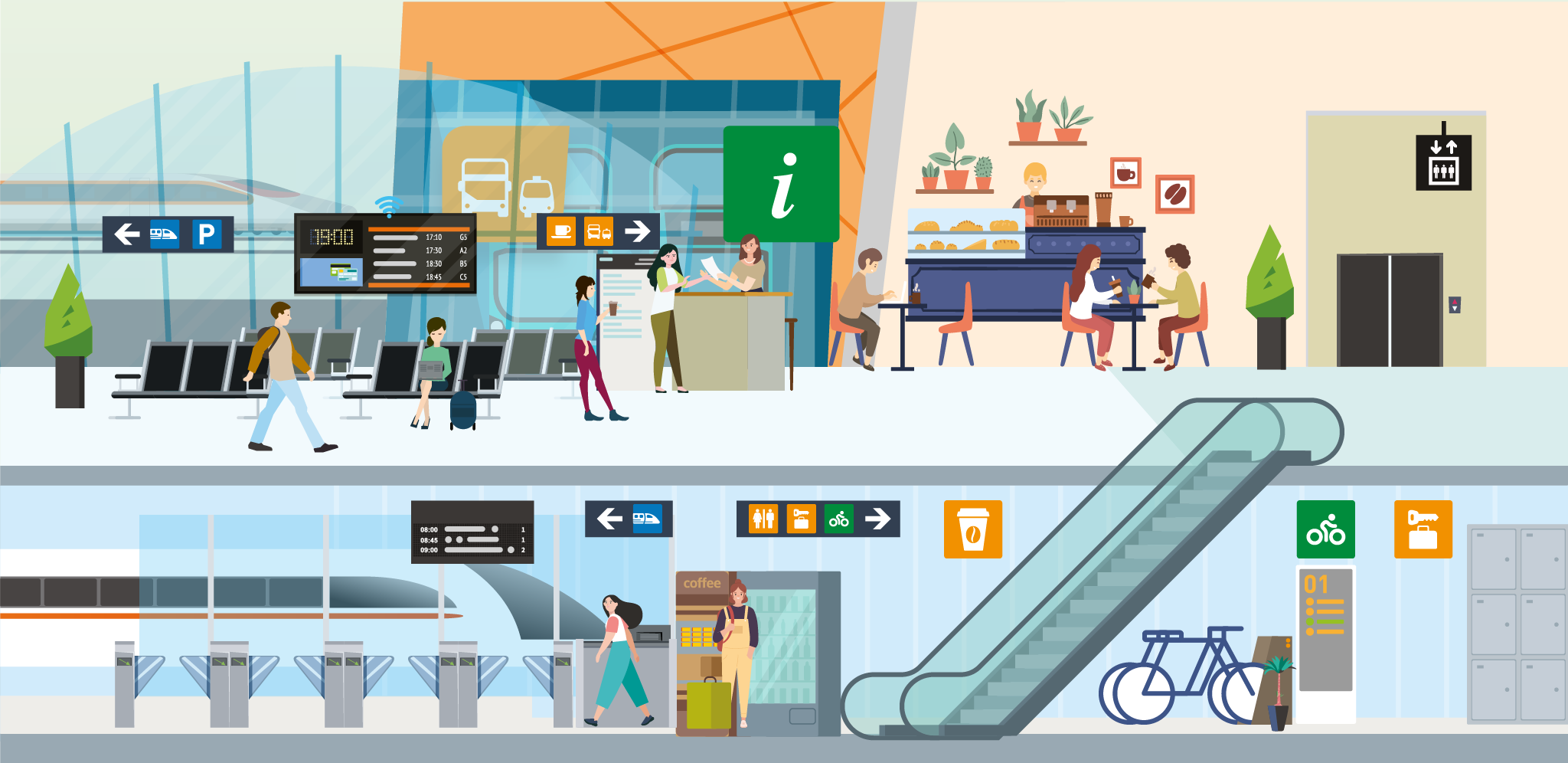
The Government will introduce a regulatory framework that covers three aspects, namely the EMDs per se, their users, and the designation of appropriate road sections for their use. This will allow EMDs to be used on suitable cycle tracks. In addition, we recommend providing supporting facilities, such as storage places or parking spaces, within Transport Interchange Hubs to facilitate the use of EMDs for short-distance travel or first/last-mile connections.
Recommendation 23 –
Introducing a Two-tier Cycle Track System
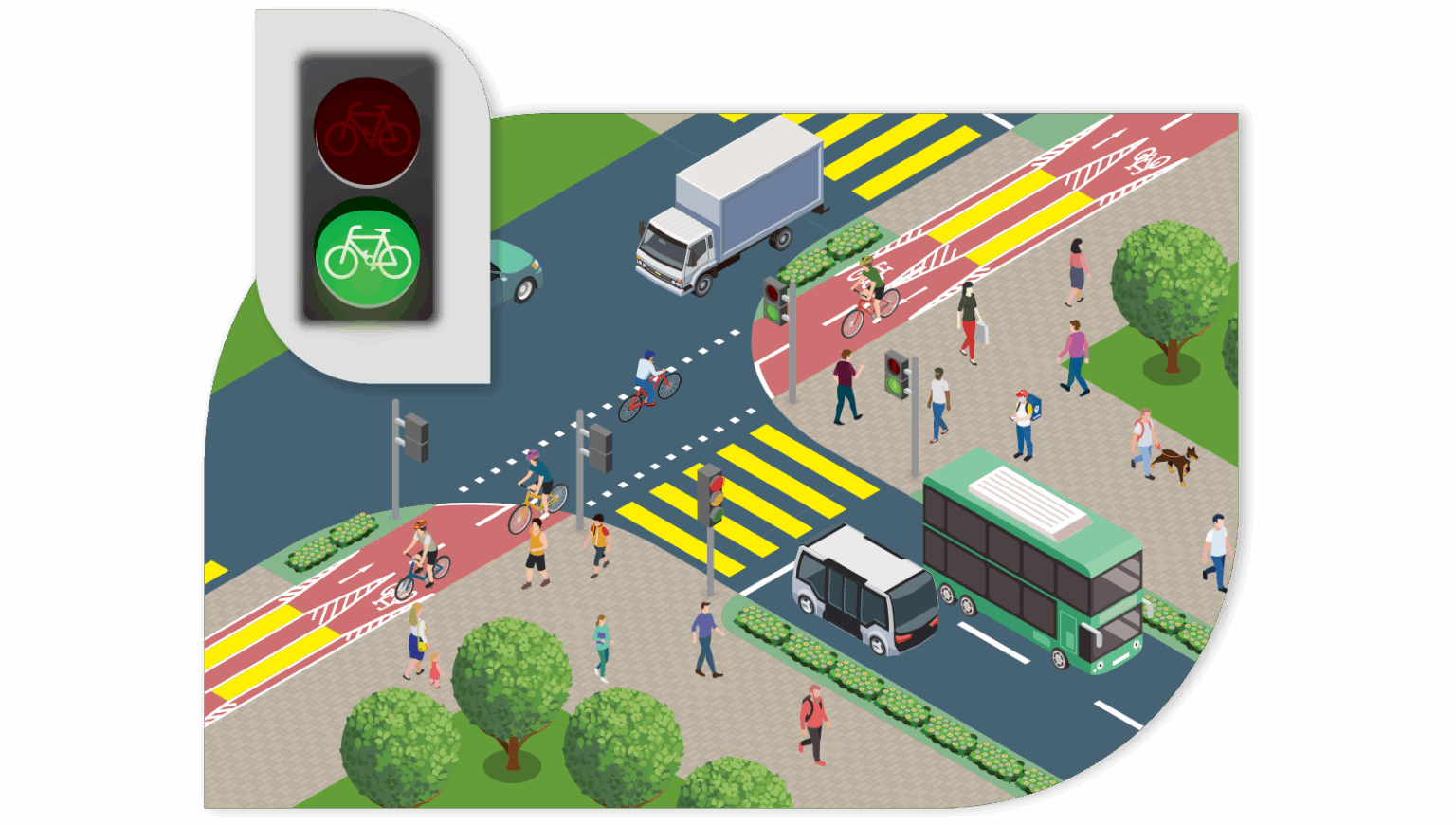
To encourage cycling as a daily mode of travel, we recommend introducing a two-tier cycle track system, namely “arterial cycle tracks” and “local cycle tracks”. “Arterial cycle tracks” provide direct and efficient routes, connecting Transport Interchange Hubs, railway stations, and other major commuting destinations, “Arterial cycle tracks” will be equipped with bicycle-friendly crossings to enhance cycling efficiency; “Local cycle tracks” will extend into various development areas within districts, encouraging citizens to use bicycles for daily commuting. We will develop a comprehensive cycle track network in new development areas, aiming to connect over 90% of residential areas within a 200-metre range and also connect the Transport Interchange Hubs, waterfront promenades and green space.
Recommendation 24 –
Providing Sufficient Bicycle Parking Spaces and Other Supporting Facilities Based on Land Use Needs
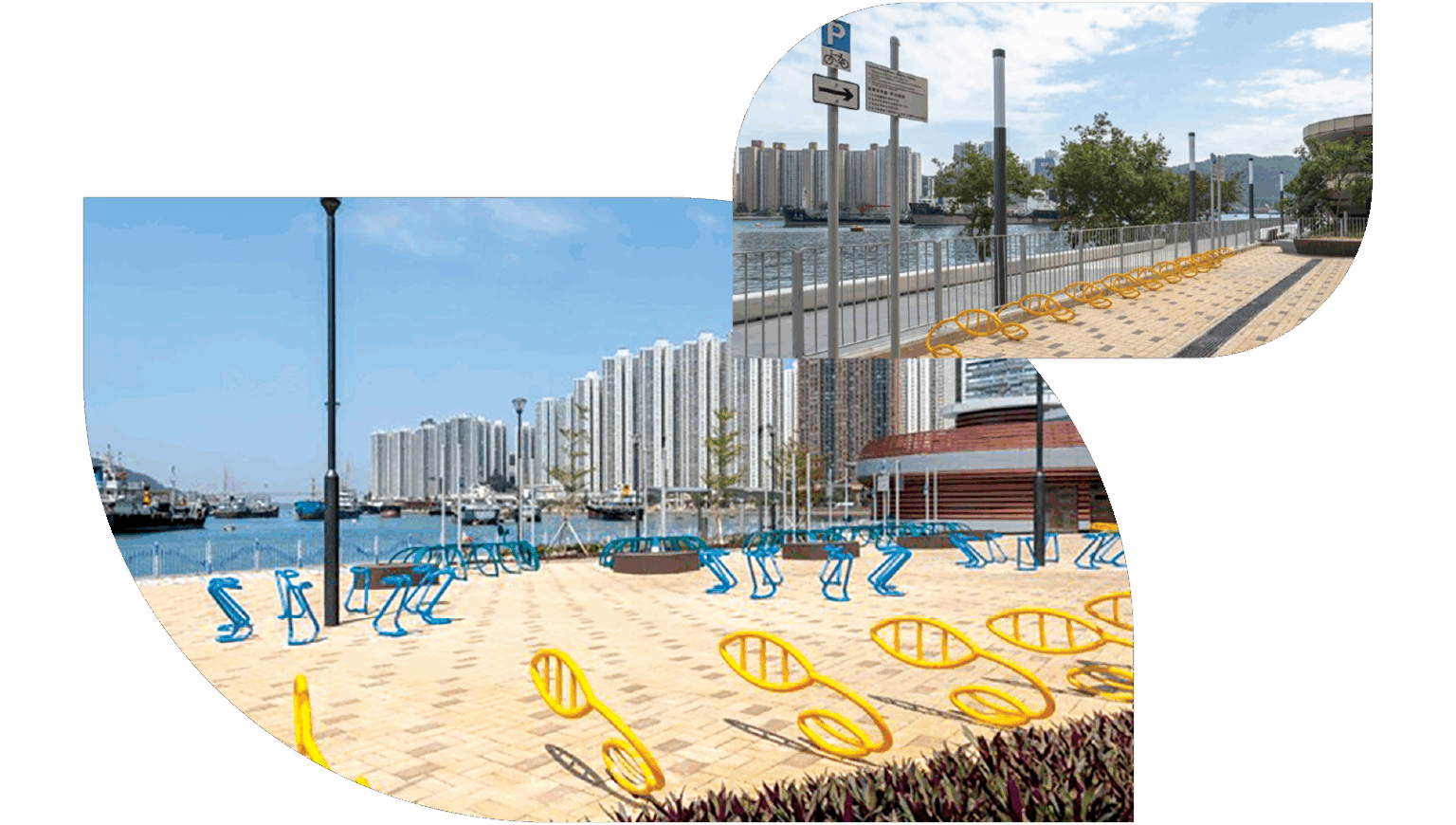
Another important consideration in promoting cycling and using EMDs is the provision of sufficient bicycle parking spaces and supporting facilities. We recommend incorporating bicycle parking spaces as ancillary facilities under land use, with the provision of sufficient bicycle parking spaces according to land use needs to increase bicycle parking supply in new development areas. Moreover, we will continue to identify suitable locations in various NDAs to increase public bicycle parking spaces for use by the public and shared bicycle users. If the new requirements for bicycle parking spaces can be implemented in NDAs, we expect to provide a total of over 130 000 bicycle parking spaces in new development areas in the future. Furthermore, we encourage the provision of various bicycle supporting facilities, such as storage lockers and bicycle maintenance tools, at the Transport Interchange Hubs to encourage the public to use bicycles for first/last-mile connections.
Recommendation 25 –
Enhancing Pedestrian Environment to Promote Safety
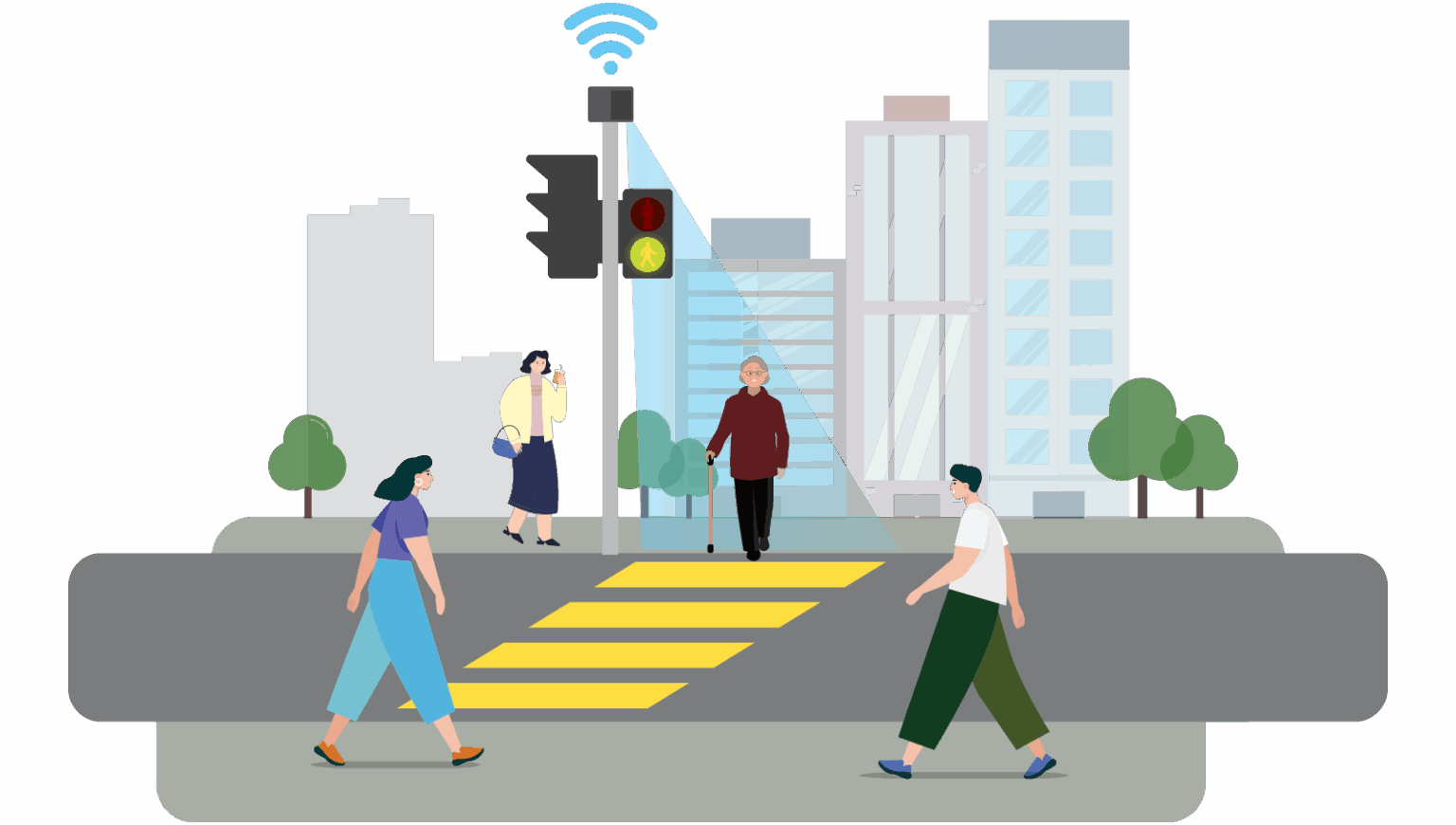
Confronted with the trend of an ageing society, we will adopt more measures to enhance pedestrian crossing safety, and create a pedestrian-friendly walking environment. First, we recommend promoting “low speed limit zones” at more suitable locations, with priority given to suitable places near schools, markets and elderly centres, to enhance pedestrian safety.
We will implement Real-time Adaptive Traffic Signal Systems at suitable junctions which adjust signal timings in real time based on pedestrian flow and traffic conditions to reduce pedestrian waiting time and improve traffic efficiency. Moreover, we will continue to enhance barrier-free access facilities, including the installation of approximately 13 000 sets of new-generation electronic audible traffic signals, enabling visually impaired persons and other citizens to cross the road safely.
In addition, we will extend the application of diagonal crossings to 15 additional suitable junctions, which are expected to be completed gradually from 2026 onwards. We will also expand the application of “diagonal crossings” at suitable junctions in new development areas and existing districts, allowing pedestrians to cross directly to a diagonal corner , thereby shortening walking distance.
More Featured Topics

-
Strategy 1:
Developing Transport Hubs for Strengthening Internal and External Connectivity to Embrace New Opportunities Strategy 2: Benefiting People’s Livelihood through Providing Smart, Green and Diversified Transport - Strategy 3: Promoting Digital Management to Lead Development with Innovative Technology Strategy 4: Optimising Infrastructure and Road Use to Boost Transport Efficiency
- Strategy 5: Building a Green and Low-Carbon Living Circle through Transport Planning Strategy 6: Ensuring a Safe and Inclusive Environment for Healthy and Vibrant Travel









Please rotate your device
into portrait orientation
Traffic and Transport Strategy Study Virtual Portal is designed to be viewed in portrait orientation on mobile devices. Please rotate your device in order to view the website content properly.