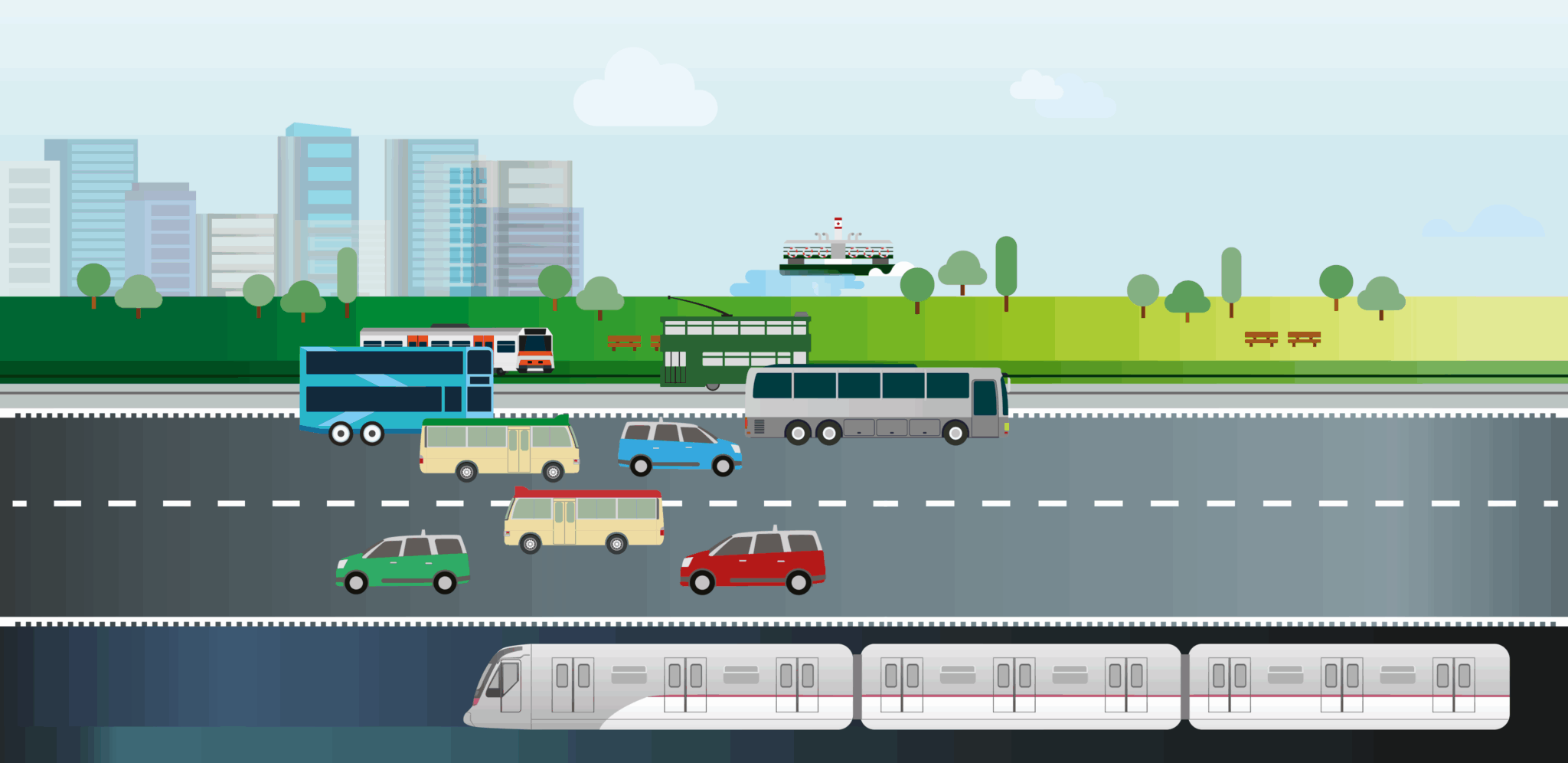
Enjoyable Journeys
Strategy 2:
Benefiting People’s Livelihood through Providing Smart, Green and Diversified Transport
To continue adopting a public transport-oriented approach. We are committed to promoting green transport, by building a public transport system with railways as the backbone, and through the electrification of vehicles and ferries, the development of new energy transport, and improved traffic management measures, thus achieving the long-term goals of zero vehicular emissions and carbon neutrality before 2050.
Recommendation 6 –
Promoting the Smart and Green Mass Transit System
The Smart and Green Mass Transit System can provide public transport services that are green, efficient, cost-effective in both construction and operation, highly flexible, and convenient. Generally speaking, it does not require overhead cables, and individual systems may not need physical tracks, offering stronger hill-climbing capability and greater flexibility in planning and operation.
The Government is going all out to advance the introduction of the Smart and Green Mass Transit System in East Kowloon, Kai Tak, the Hung Shui Kiu/Ha Tsuen and the South Island Line (West) project.

Recommendation 7 –
Aligning with the Government’s Policy to Develop Green Transport and Encourage the Use of New Energy Vehicles
The Government announced the “Green Transformation Roadmap for Public Buses and Taxis” in December 2024, outlining clearly the future direction and policy objectives for the green transformation of buses and taxis. Moreover, the Government is implementing various pilot schemes covering hydrogen fuel cell double-deck buses, electric public light buses, electric ferries and hybrid ferries, and encouraging public transport operators to adopt new energy vehicles in line with green transport development, thereby building sustainable communities.

Recommendation 8 –
Continuing to Enhance Taxi Service Quality
To enhance the quality of taxi services and promote the long-term healthy development of the industry, we have introduced a taxi fleet regime. Each fleet provides wheelchair accessible taxis, premium taxis and electric taxis to cater for diverse travel needs. Fleets are required to provide online hailing services, customer service hotlines and various electronic communication channels. All fleet taxis must be equipped with safety devices. In July 2025, the Transport Department issued Taxi Fleet Licences to five fleets and will continue to monitor fleet operations.
In addition, the Government has introduced various measures in recent years, including enhancing the taxi written test, increasing the maximum number of taxi passenger seating capacity, introducing a Taxi-Driver Offence Points system and a two-tier penalty system, as well as relaxing restrictions on passenger pick-up and drop-off in restricted zones, etc, to enhance the quality of taxi services, promote the long-term healthy development of the industry and attract more newcomers to join the trade. The Government has requested that all taxis must be installed with Journey Recording Systems inside their compartments to improve driving safety and protect the interests of taxi drivers and passengers. Furthermore, starting from April 2026, all taxi drivers must provide electronic payment means. The Government will continue to leverage technology to foster the healthy and sustainable development of the industry.

Recommendation 9 –
Regulating Ride-hailing Services
The Government considers it necessary to introduce a regulatory regime for ride-hailing services to ensure that the ride-hailing platforms, vehicles and drivers providing ride-hailing services are legal and compliant, thereby safeguarding the safety and interests of the public. The regulatory framework aims to achieve the policy objective of “people-oriented and safe travel”, allow taxis and ride-hailing vehicles to co-exist and complement each other, and set the total number of ride-hailing vehicle permits in a prudent manner. Platforms, vehicles and drivers providing such services must obtain a licence/permit, and licensed platforms must also exercise due diligence, ensuring that the vehicles must meet age requirements and undergo annual inspections, and drivers must also meet certain requirements and pass the test.
The Government aims to submit the subsidiary legislation to the Legislative Council for scrutiny in the first half of 2026. The first batch of licensed ride-hailing platforms is expected to commence operation within the fourth quarter of 2026 at the earliest. Once licensed ride-hailing platforms are fully operational, the Government will closely monitor the overall situation of the personalised point-to-point transport service industry to promote healthy and constructive competition between taxis and ride-hailing services, leverage their respective strengths, ensure the orderly and sustainable development of the industry, and provide passengers with diverse travel options.

Recommendation 10 –
Enhancing the Flexibility of Public Transport
To enhance the flexibility of public transport, we recommend introducing a “Smart Demand-responsive Public Transport” service mode in addition to the existing “fixed-route and fixed-schedule” service mode by utilising technology to monitor and forecast passenger demand, flexibly arranging routes and schedules according to demand. Passengers can use a mobile application to submit their travel requests in advance. The backend system then analyses the aggregated travel demand and, based on real-time traffic conditions, flexibly determine appropriate routes and schedules.
A research and development company, with the support of the Smart Traffic Fund, has collaborated with an operator to develop the system and will test on a public light bus route starting from mid-2026 to examine the relevant technologies and practical operations of the “Smart demand-responsive public transport” mode. Besides, we are also actively exploring with franchised bus operators to introduce relevant intelligent operation mode and test them on some specific franchised bus routes, such as airport overnight routes, sightseeing bus routes, etc. In addition to the original franchised bus services, we will study how to flexibly arrange and deploy service frequency according to demand to provide passengers with more considerate services. In the long term, subject to the development of this operation mode, this flexible service mode can be considered for extension to suitable NDAs.

Recommendation 11 –
Enhancing Elderly-friendly Facilities and Implementing the Concept of “Barrier-free Transport”
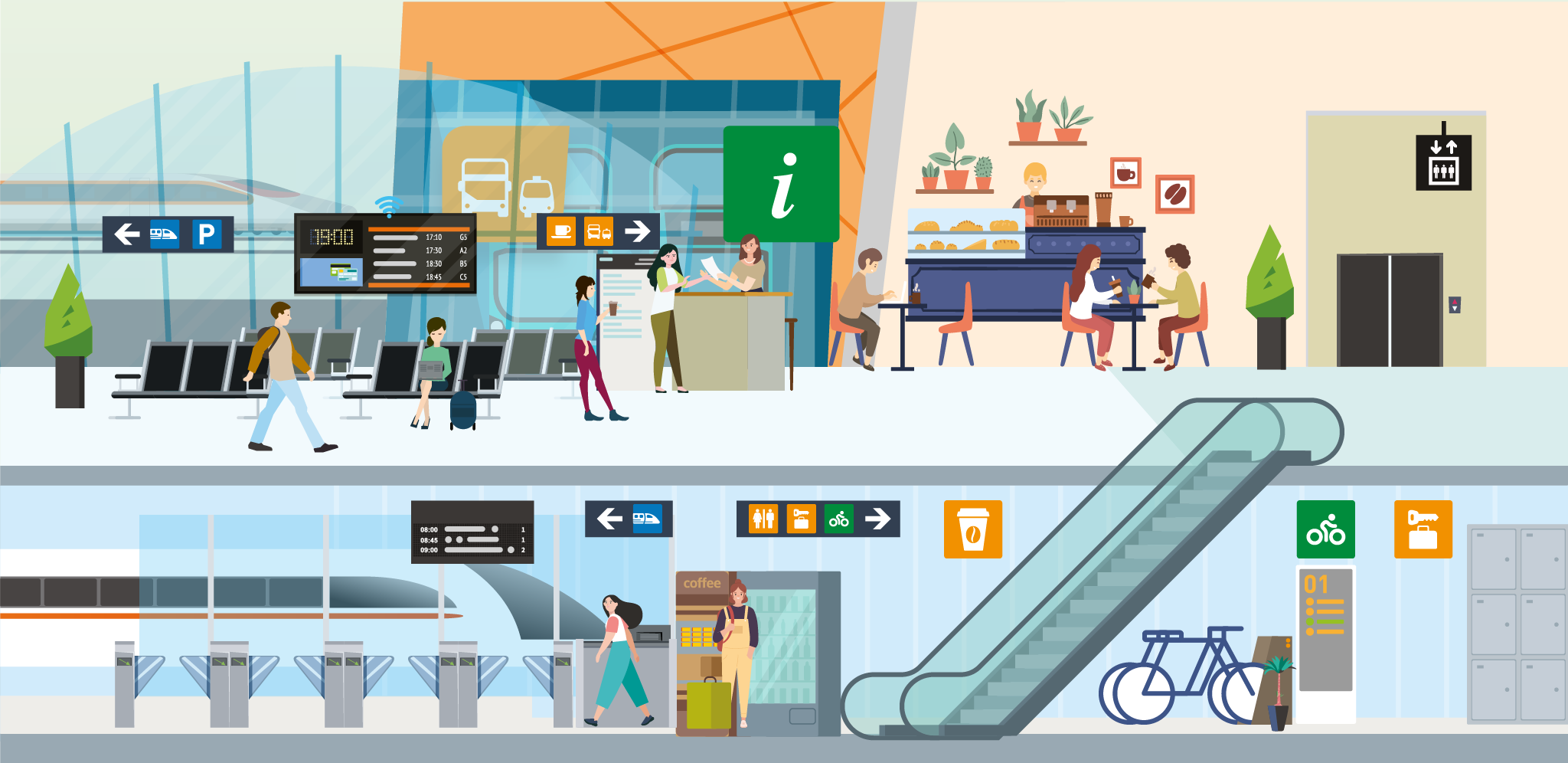
The Government has been committed to implementing the concept of barrier-free transport, continuously improves facilities and implements barrier-free transport systems. When planning large-scale mass transit projects, we strive to locate stations near major community facilities and provide pedestrian footbridges, lifts and seats, etc. All newly constructed MTR stations will also adopt barrier-free designs, including accessible entrances, wide gates and accessible toilets.
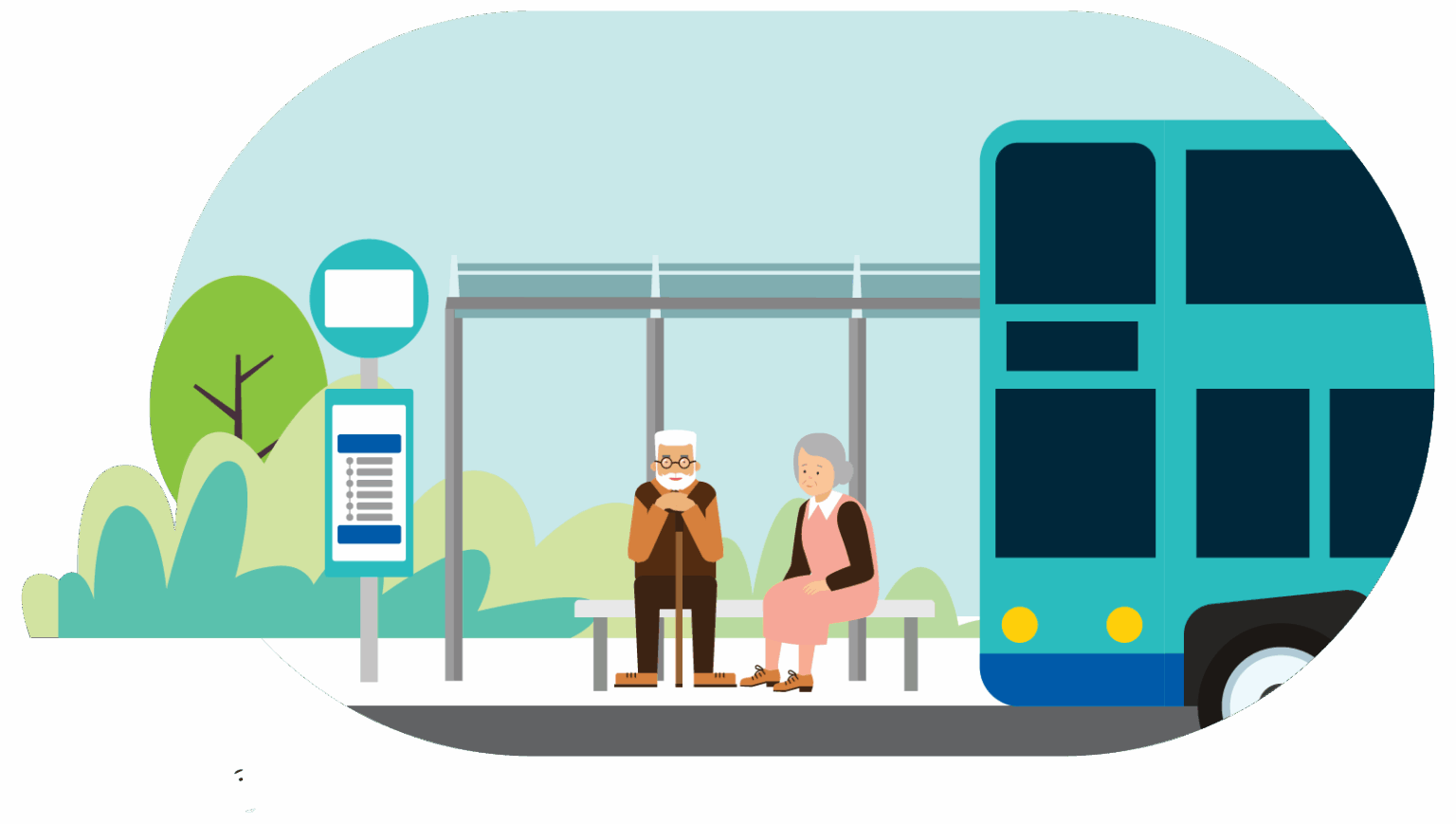
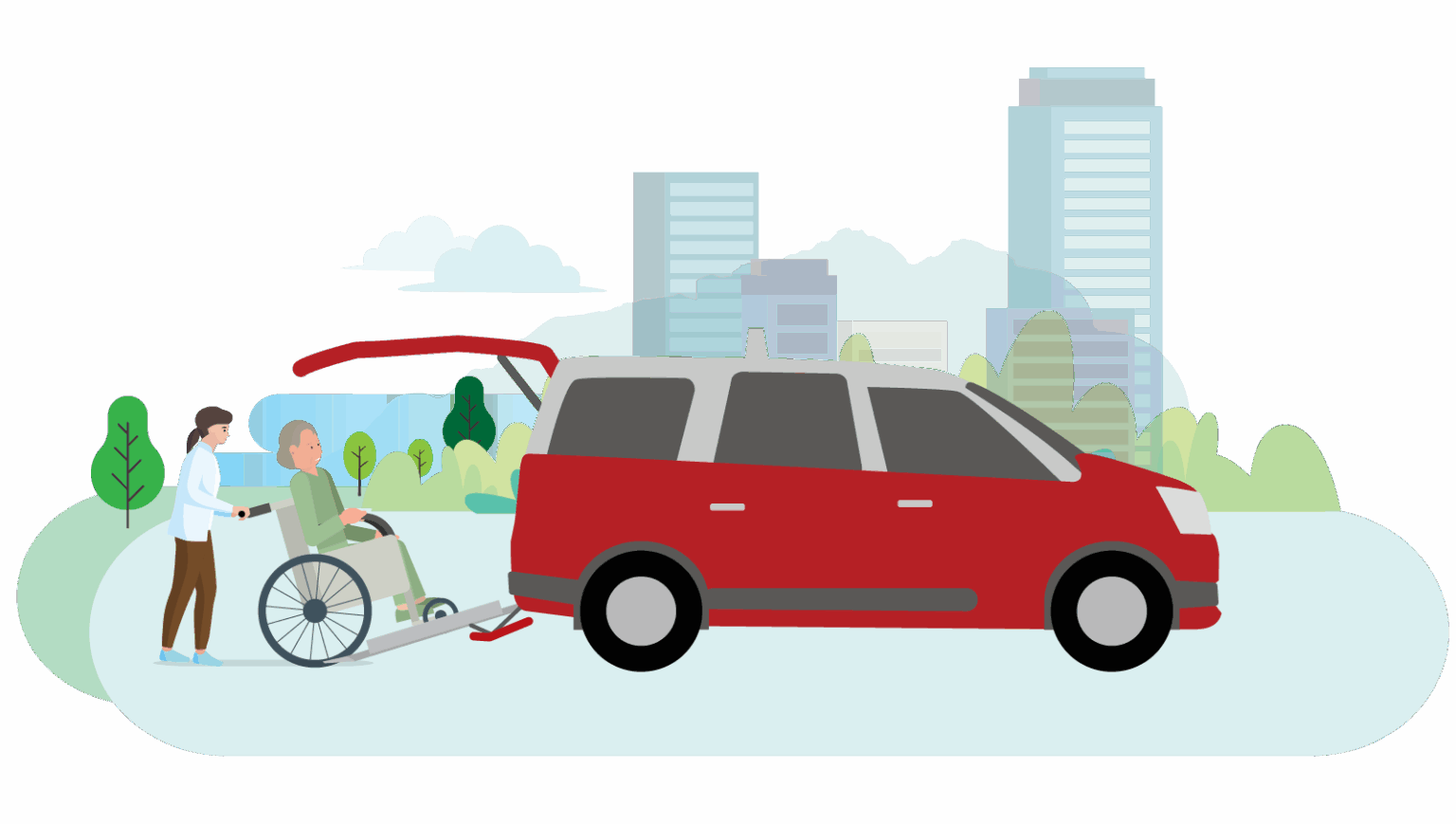
In optimising existing facilities, we will continue to enhance elderly-friendly facilities, such as encouraging franchised bus operators to increase the number of priority seats. We also requested all new routes serving hospitals must provide at least one low-floor public light bus equipped for wheelchair access. The Government has also been subsidising the trade to purchase wheelchair accessible electric taxis, facilitating travel for wheelchair users.
Recommendation 12 –
Continuing to Enhance Infrastructure Management and Strengthen Emergency Measures to Cope with Extreme Weather
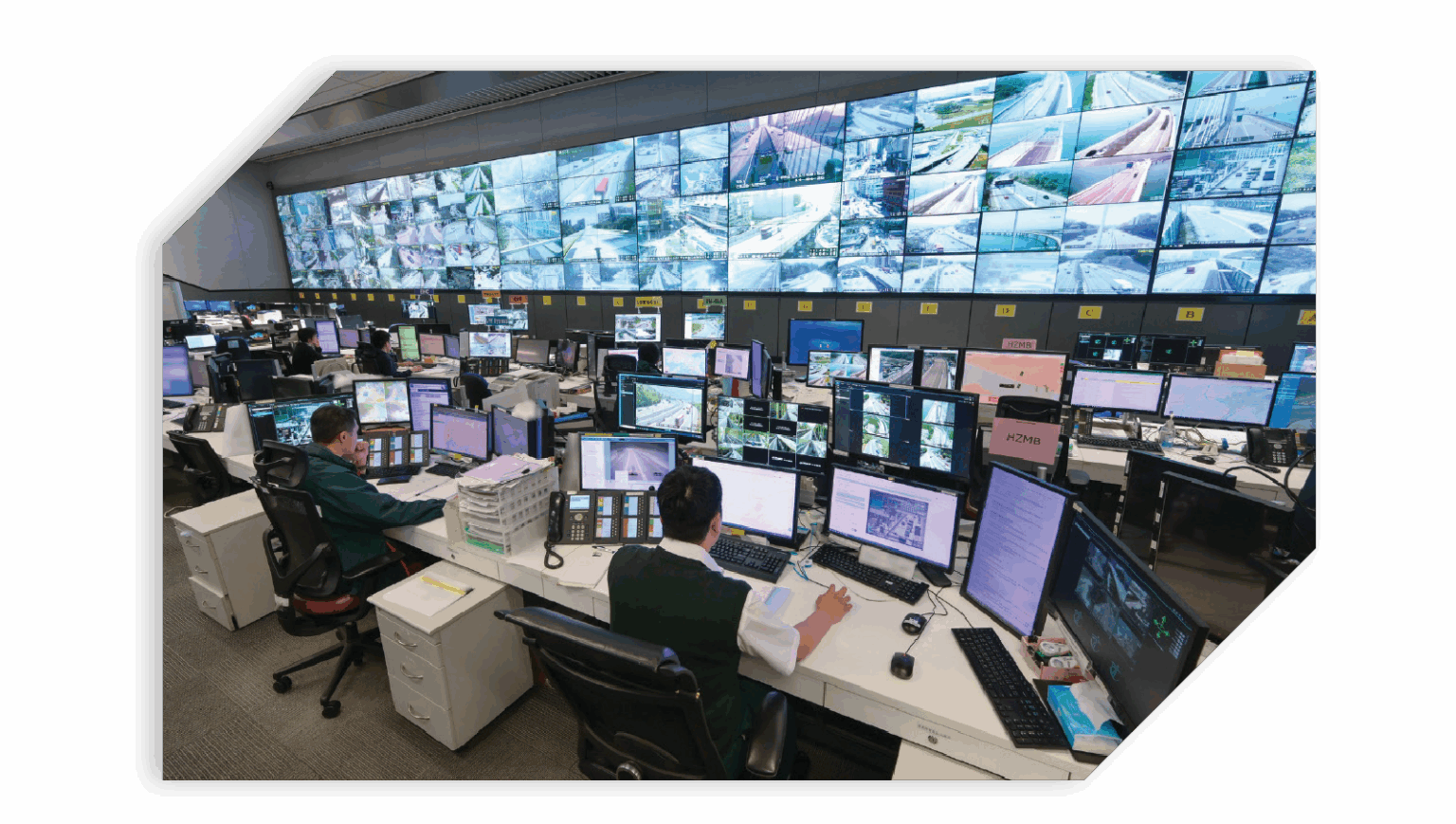
The Highways Department completed a review in 2023 of the flood resistance capabilities of 75 relevant facilities under its purview, and has been implementing corresponding improvement measures in phases starting from 2025. The Government and the Mass Transit Railway Corporation Limited have comprehensively reviewed and enhanced the railway system’s resilience to adverse weather such as rainstorms and typhoons. The Transport Department’s Emergency Transport Co-ordination Centre activates emergency response plans to coordinate efforts in managing major transport infrastructure and implements temporary traffic and public transport service arrangements. With the advancement of smart motorways and the Traffic Management Platform, we will enhance early warning and emergency response capabilities, and accelerate the dissemination of real-time traffic information to the public.



-
Strategy 1:
Developing Transport Hubs for Strengthening Internal and External Connectivity to Embrace New Opportunities Strategy 2: Benefiting People’s Livelihood through Providing Smart, Green and Diversified Transport - Strategy 3: Promoting Digital Management to Lead Development with Innovative Technology Strategy 4: Optimising Infrastructure and Road Use to Boost Transport Efficiency
- Strategy 5: Building a Green and Low-Carbon Living Circle through Transport Planning Strategy 6: Ensuring a Safe and Inclusive Environment for Healthy and Vibrant Travel









Please rotate your device
into portrait orientation
Traffic and Transport Strategy Study Virtual Portal is designed to be viewed in portrait orientation on mobile devices. Please rotate your device in order to view the website content properly.